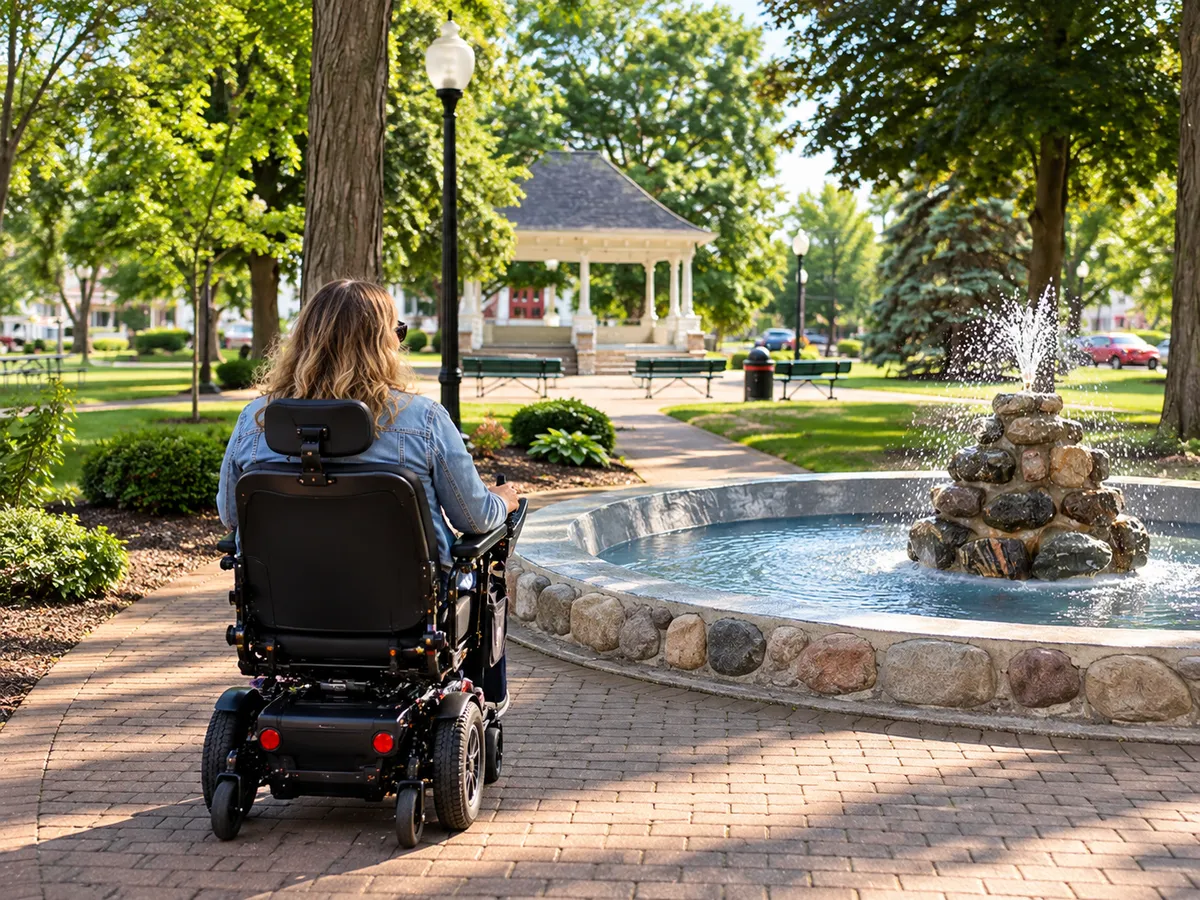
Are Your Hearing Aids, Eyeglasses, and Power Wheelchair Covered by Insurance? What New York Families Should Know
Understanding how homeowners, renters, auto, and health insurance may protect the medical equipment you depend on every day.
The Equipment We Don't Think About Insuring
When people sit down with me to talk about insurance, the conversation usually starts with the big things. The house. The cars. Maybe an engagement ring or a coin collection that belonged to a grandparent.
What rarely comes up, unless I ask, is the equipment someone relies on to hear, see, and move through the day.
That's a gap worth closing. A pair of prescription glasses can easily cost several hundred dollars. Hearing aids often run into the thousands. A customized power wheelchair can cost tens of thousands of dollars, and some highly specialized models approach $90,000.

For the people who use them, these aren't just belongings. They're how you follow a conversation at the dinner table, read a menu, drive to work, get to a doctor's appointment, or leave the house on your own terms.
So it's fair to ask some questions most of us never think about until something goes wrong:
What happens if hearing aids are lost or accidentally damaged?
What if prescription eyeglasses get broken?
What happens if a wheelchair is damaged in a car accident?
Does auto insurance cover equipment being transported in a vehicle?
Does homeowners insurance cover medical equipment when it's away from home?
Will health insurance pay to replace equipment damaged in an accident?
After more than 20 years in this business, I can tell you the honest answer to almost all of these is: it depends. It depends on what caused the loss, what kind of equipment it is, which policy applies, and what coverage you've purchased. That isn't a dodge. It's the reason these conversations are worth having before you need them.
Health Insurance and Property Insurance Do Different Jobs
One of the most common points of confusion is the difference between health insurance and property insurance.
Health insurance, Medicare, Medicaid, and vision or hearing benefits may help pay for medically necessary equipment, depending on the program and your eligibility. Property insurance, like a homeowners or renters policy, may protect qualifying items against certain covered causes of physical loss or damage.
Those are two very different questions. A few examples make it clearer.
If you need new glasses because your prescription changed, that's generally a question for your vision benefits. If those same glasses are destroyed in a house fire, the personal property coverage on your homeowners policy may apply. If you accidentally sit on them, an ordinary homeowners policy may not cover that at all.
The same goes for a wheelchair. Replacing a chair because it has worn out after years of use is a very different situation from a chair destroyed in a covered fire.
It's also worth knowing that medical necessity doesn't automatically make an item covered under every type of insurance. And the fact that Medicare, Medicaid, or a health plan helped pay for your equipment originally doesn't settle whether your homeowners or auto policy will respond to a later loss. Questions like who owns the equipment, whether you're eligible for a replacement through your health plan, how benefits coordinate, and what your policies actually say can all come into play.
Hearing Aids and Your Homeowners or Renters Policy
Hearing aids may qualify as personal property under a homeowners, condominium, or renters policy. But being personal property doesn't mean every type of loss is covered. The cause of the loss matters a great deal.
Here's how that can play out.
If your hearing aids are destroyed in a house fire, a covered fire may trigger your personal property protection, subject to your policy's terms and deductible.
If they're stolen during a burglary, theft may be a covered cause of loss.
If you drop them and they break, an ordinary homeowners policy may not cover accidental breakage unless you have an endorsement or other coverage that specifically provides it.
If you simply lose them, that may not be covered under a typical homeowners policy either. Misplacing something isn't the same as it being stolen or destroyed.
If they stop working because of age or a mechanical problem, that's generally a warranty, maintenance, or service plan issue, not a homeowners claim.
Hearing aids are especially vulnerable because they're small, expensive, handled constantly, and easy to misplace. They come out at night, go in a case, end up on a nightstand, fall into a coat pocket. That's exactly why it pays to know what protection you have.
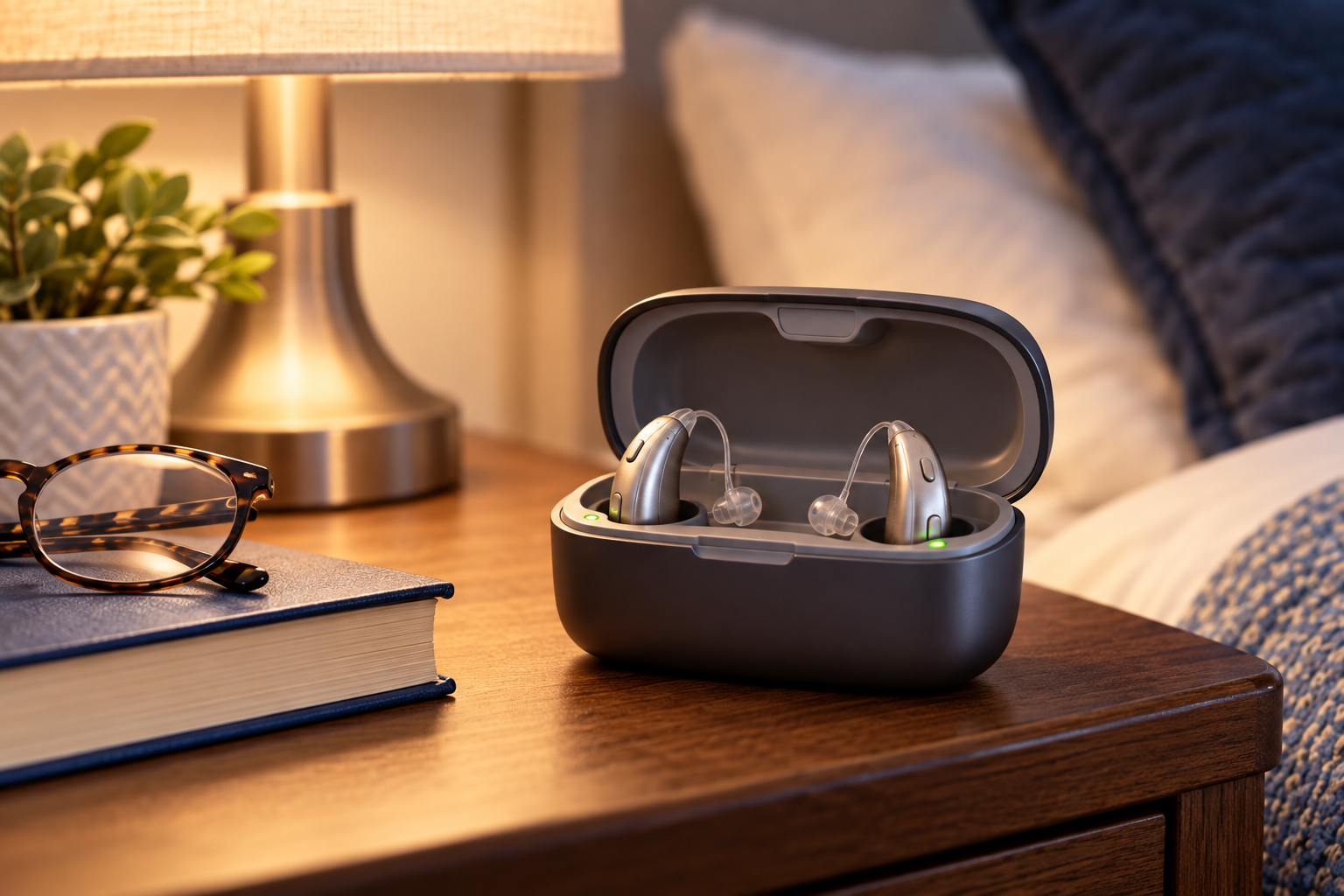
When you buy hearing aids, ask about the manufacturer's warranty, whether a loss-and-damage protection plan is included or available, and what the replacement program looks like. Then talk with your agent about whether any additional insurance options are available for them. Don't assume a particular type of coverage exists for hearing aids with your insurer. That's something to confirm.
Prescription Eyeglasses: The Sit-On-Them Problem
Here's a situation I've heard some version of more than once.
Someone buys a pair of prescription glasses for $800. A few months later, they set them on the couch, forget about them, and sit down. The frames snap.
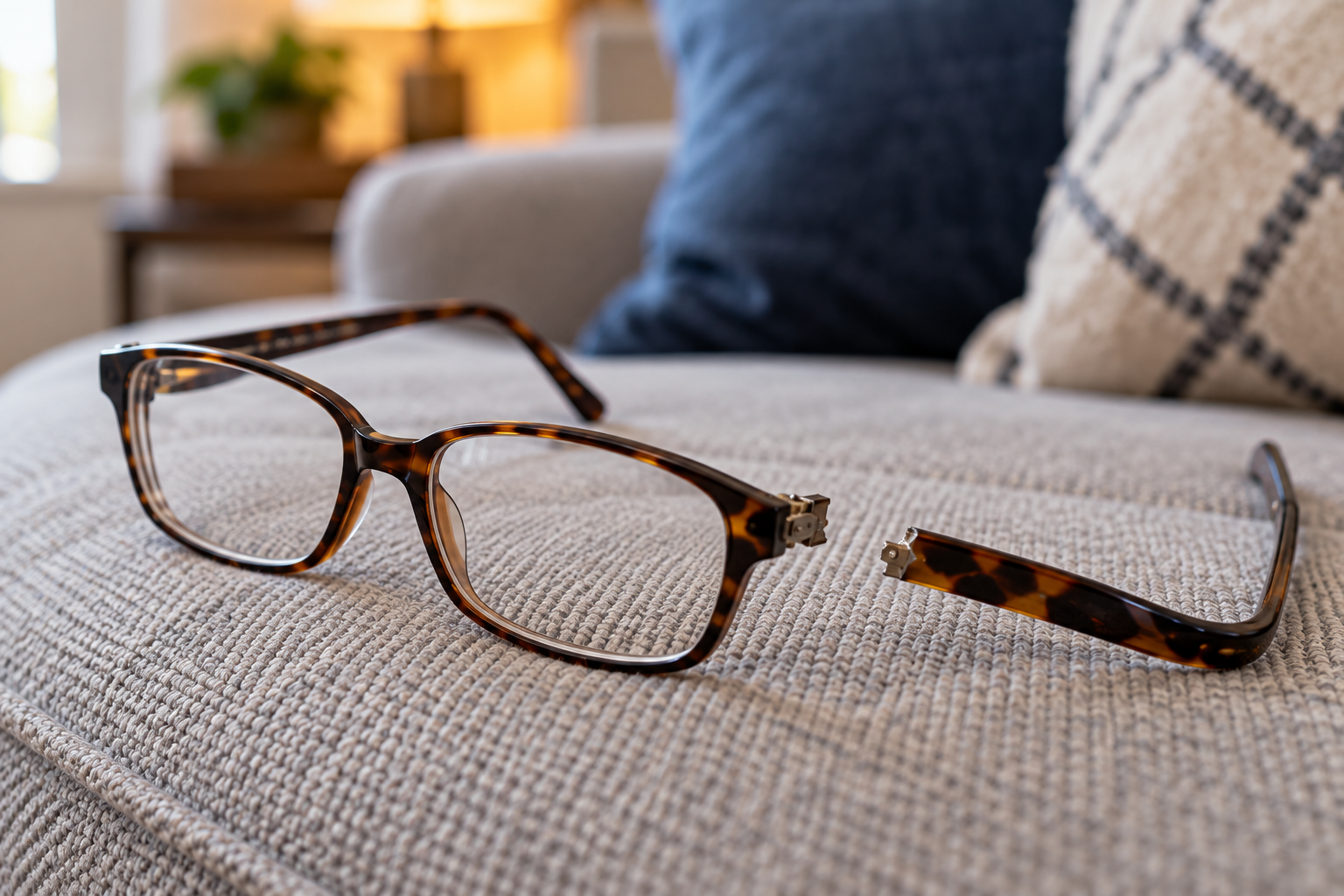
Their first thought is reasonable: "These are my personal property. My homeowners insurance should replace them."
Unfortunately, it often doesn't work that way. Many homeowners policies cover personal property against specific causes of loss listed in the policy, which are commonly called named perils. Fire, theft, and windstorm are typical examples. Accidentally sitting on your glasses usually isn't on that list.
Now picture those same glasses destroyed in a covered house fire. That's a different situation, and personal property coverage may apply.
Then there's the deductible. If your homeowners deductible is $1,000 and your glasses cost $800, even a covered loss involving only those glasses wouldn't result in a claim payment. And filing small claims isn't always a good idea anyway, since claim history can matter down the road. It's worth talking to your agent before you file.
For everyday breakage, the practical answer is often outside your homeowners policy entirely. Many optical retailers offer protection plans, accidental damage programs, or replacement warranties. For something you wear on your face all day, that kind of coverage can be a smart fit.
Accessible Vehicles and Permanently Installed Equipment
This is where a lot of families have real money at stake.
Many people buy a vehicle and then have it professionally modified to accommodate a disability. A family might buy a minivan and have it converted for wheelchair access. Those modifications can represent a substantial investment on top of what the vehicle itself cost, and they become part of how that vehicle works for the person who depends on it.
Permanently installed adaptive equipment can include things like:
Wheelchair lifts
Permanently installed ramps
Specialized hand controls
Modified steering controls
Permanently installed wheelchair restraint systems
Other permanently installed equipment designed to accommodate a disability
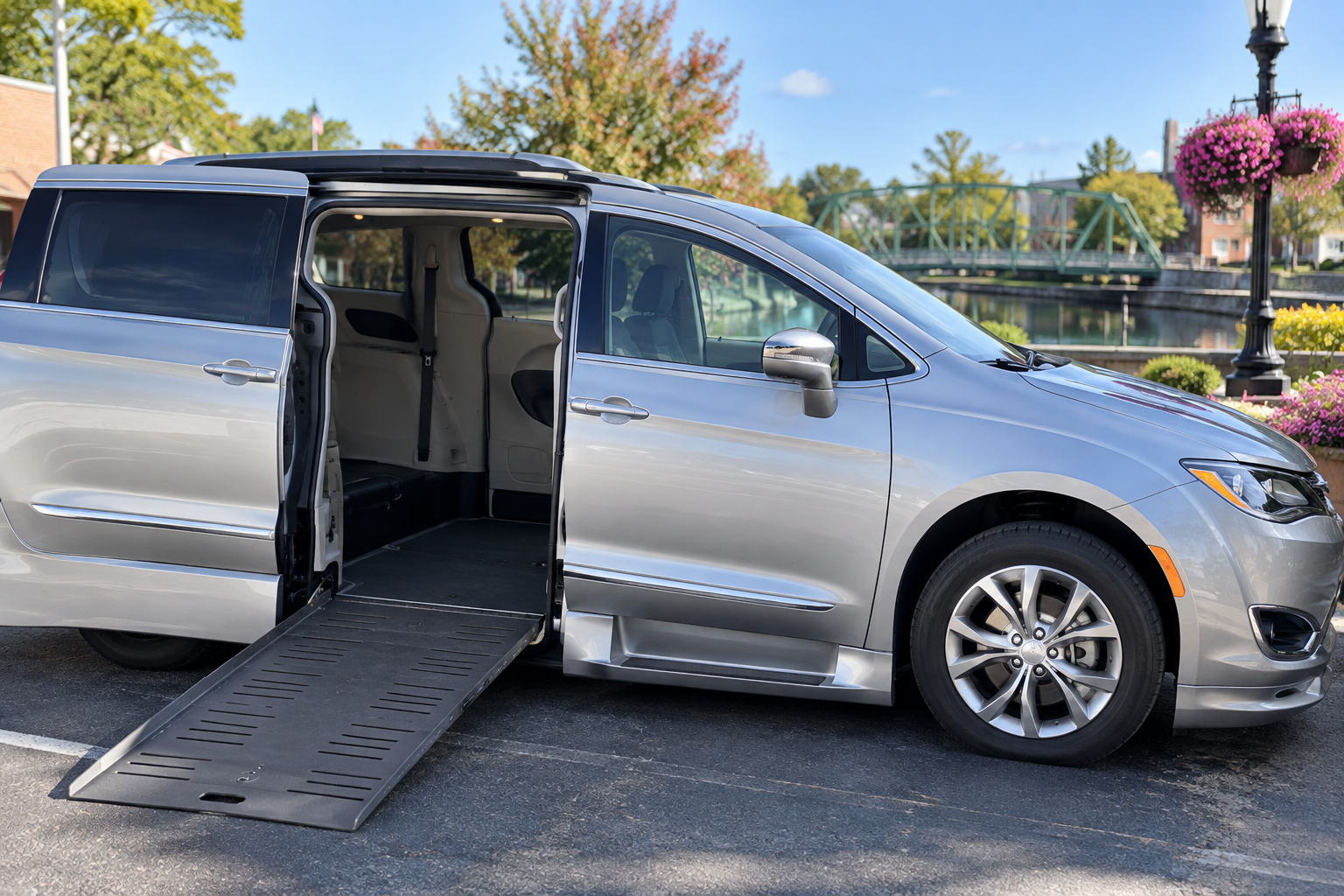
Many auto insurers treat permanently installed accessibility equipment as part of the insured vehicle. With some carriers, it's included without any separate endorsement. Others may handle it differently, apply limits to added or custom equipment, or ask that the modifications be listed on the policy. If your vehicle has been converted, or you're planning a conversion, that's a conversation to have with your agent so you know how your specific carrier treats it.
What tends to hold true across policies is this: installed equipment is protected for physical damage only if the vehicle carries comprehensive and/or collision coverage. And if the vehicle is declared a total loss after a covered claim, the vehicle and its permanently installed equipment are commonly settled together, often at actual cash value, depending on the policy.
The other key distinction is that a wheelchair or scooter generally isn't considered permanently installed equipment. It's portable, even if it rides in the vehicle every single day. Auto policies typically don't cover it under comprehensive or collision, which is why the personal property section of a homeowners, condominium, or renters policy is usually the next place to look when a wheelchair or scooter is damaged.
What This Looks Like in Real Life
Policy language can feel abstract, so let's walk through a few situations.
The accessible van is flooded. The owner carries both comprehensive and collision coverage. Flood damage to the vehicle and its permanently attached accessibility equipment would generally fall under comprehensive coverage, subject to the policy's terms.
The driver accidentally hits a tree. The crash damages the van, the permanently installed wheelchair lift, and the wheelchair riding inside. The van and the lift may be covered under collision coverage. The wheelchair, however, isn't covered under the auto policy's comprehensive or collision coverage just because it was inside the vehicle. The homeowners, condo, or renters policy would need to be reviewed separately, and whether a car accident is a covered cause of loss under that policy is a question that has to be answered by the actual policy language. It shouldn't be assumed.
The wheelchair lift just stops working. No accident, no storm. An internal part fails. Auto policies generally exclude mechanical breakdown, so a lift that wears out or quits on its own usually isn't an insurance claim. Damage caused by a covered accident is one thing. Equipment that simply stops functioning is another. This is where the manufacturer's warranty or a service agreement on the lift becomes important, so it's worth knowing what yours covers and when it expires.
The driver carries liability-only coverage. They cause an accident that damages their own vehicle and the permanently installed steering controls. Because there's no collision coverage, the auto policy generally wouldn't pay for damage to their own vehicle or its installed equipment. Having the equipment treated as part of the vehicle doesn't help if the vehicle itself isn't covered for physical damage.
The $90,000 Power Wheelchair
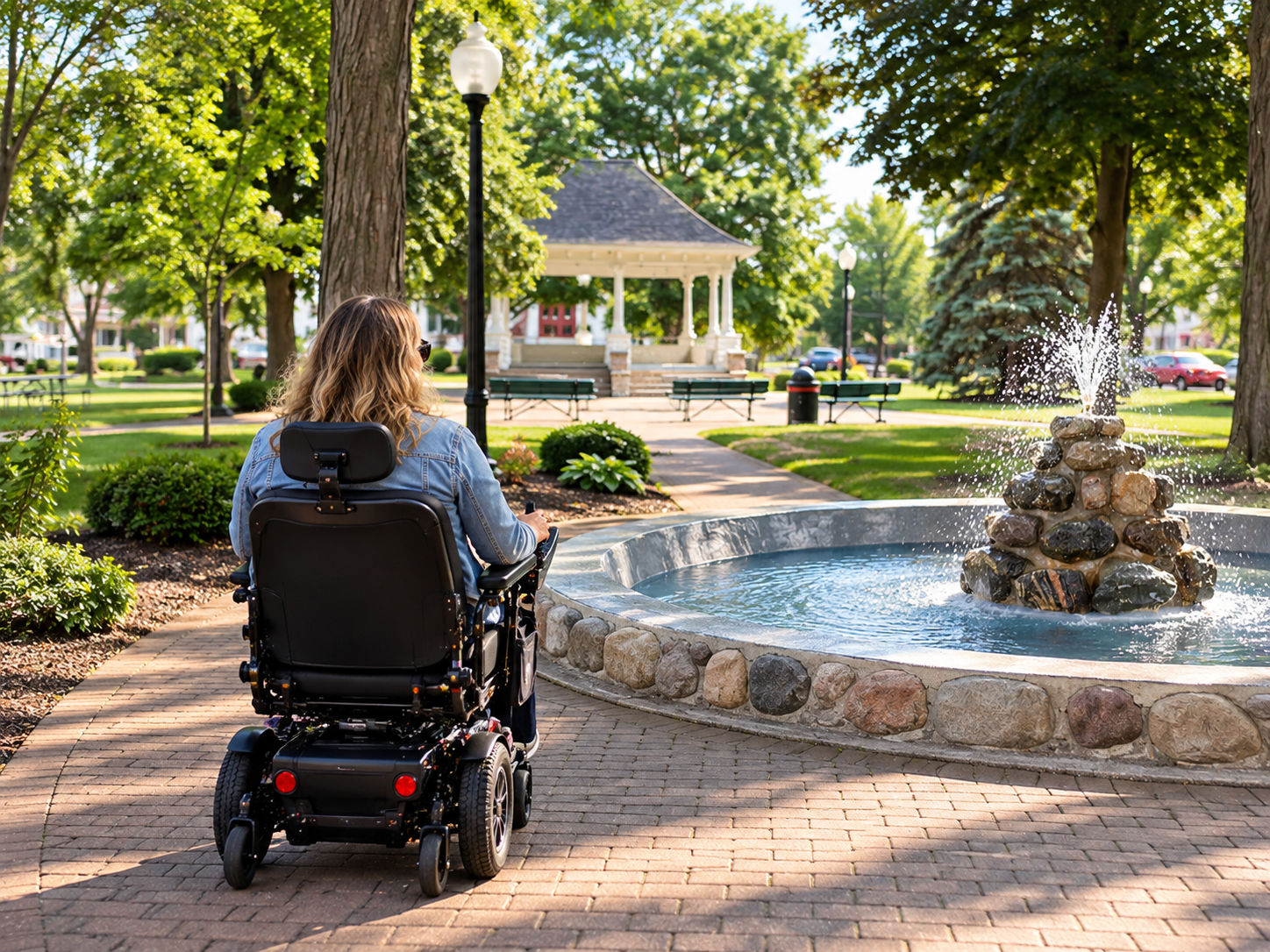
This is the example I most want people to think about.
Imagine a customer who owns a highly customized power wheelchair. It has specialized seating, positioning equipment, electronic controls, and medically necessary modifications. Replacing it would cost around $90,000.
This customer is riding in their accessible van when an accident destroys the wheelchair.
If they carry the right coverage, the van and its permanently installed equipment may be covered under collision. But the wheelchair is portable. It isn't permanently installed vehicle equipment, so it generally falls outside that part of the auto policy.
That leads straight to the homeowners or renters policy, and a series of questions:
Does the wheelchair qualify as covered personal property?
Is a car accident a covered cause of loss under the homeowners policy?
Does the policy provide coverage while the wheelchair is being transported in a vehicle?
Are there limits, exclusions, or conditions that apply?
Would the loss be settled at replacement cost or actual cash value?
Does the insurer offer additional coverage options for expensive mobility equipment?
The price tag alone doesn't necessarily exclude a wheelchair from personal property coverage. But a $90,000 piece of equipment that someone depends on to live their life deserves more than an assumption. If you own something like this, tell your agent about it and have a real conversation about how it's protected before anything happens.
What Happens When Your Equipment Leaves Home?
Medical equipment doesn't sit in a closet. Hearing aids, glasses, scooters, and wheelchairs go everywhere you go: to work, to church, to the grocery store, to a grandchild's soccer game.
Some homeowners and renters policies extend personal property protection beyond your home. But that coverage can come with different limits, exclusions, or conditions depending on your policy and the circumstances of the loss. Homeowners contracts don't all use the same language, so this is one of those areas where the details of your specific policy really matter.
A wheelchair that lives at home but travels with you daily may raise different questions than equipment bolted into your van. That's why it helps to tell your agent:
What medical or accessibility equipment you own
About what it would cost to replace
Whether it regularly travels with you
Whether it's portable or permanently installed in a vehicle
Whether you'd like to explore additional protection
The main takeaway is simple. Don't assume that because something is covered at home, every kind of loss will be covered wherever you go.
Replacement Cost Versus Actual Cash Value
These two terms come up constantly, and they can make a big difference in what a claim pays.
Actual cash value generally takes depreciation into account, based on age, condition, and wear. Replacement cost generally looks at what it would take to replace the item with new property of comparable kind and quality, subject to your policy's terms, limits, and settlement requirements.
Picture that customized power wheelchair again, bought several years ago. Its actual cash value today could be far less than the cost of buying a comparable new chair. Knowing which way your policy settles a loss matters.
The same concept applies to accessible vehicles. A covered total loss may be settled at actual cash value, including the permanently installed adaptive equipment. If the vehicle is older, the cost of buying a new accessible vehicle and having it converted may be well beyond the settlement.
Whatever your coverage, documentation makes every claim smoother. I'd encourage you to keep:
Original purchase invoices
Equipment specifications
Records of medically necessary modifications
Installation receipts
Photographs
Documentation of upgrades
Current replacement cost estimates, when you can get them
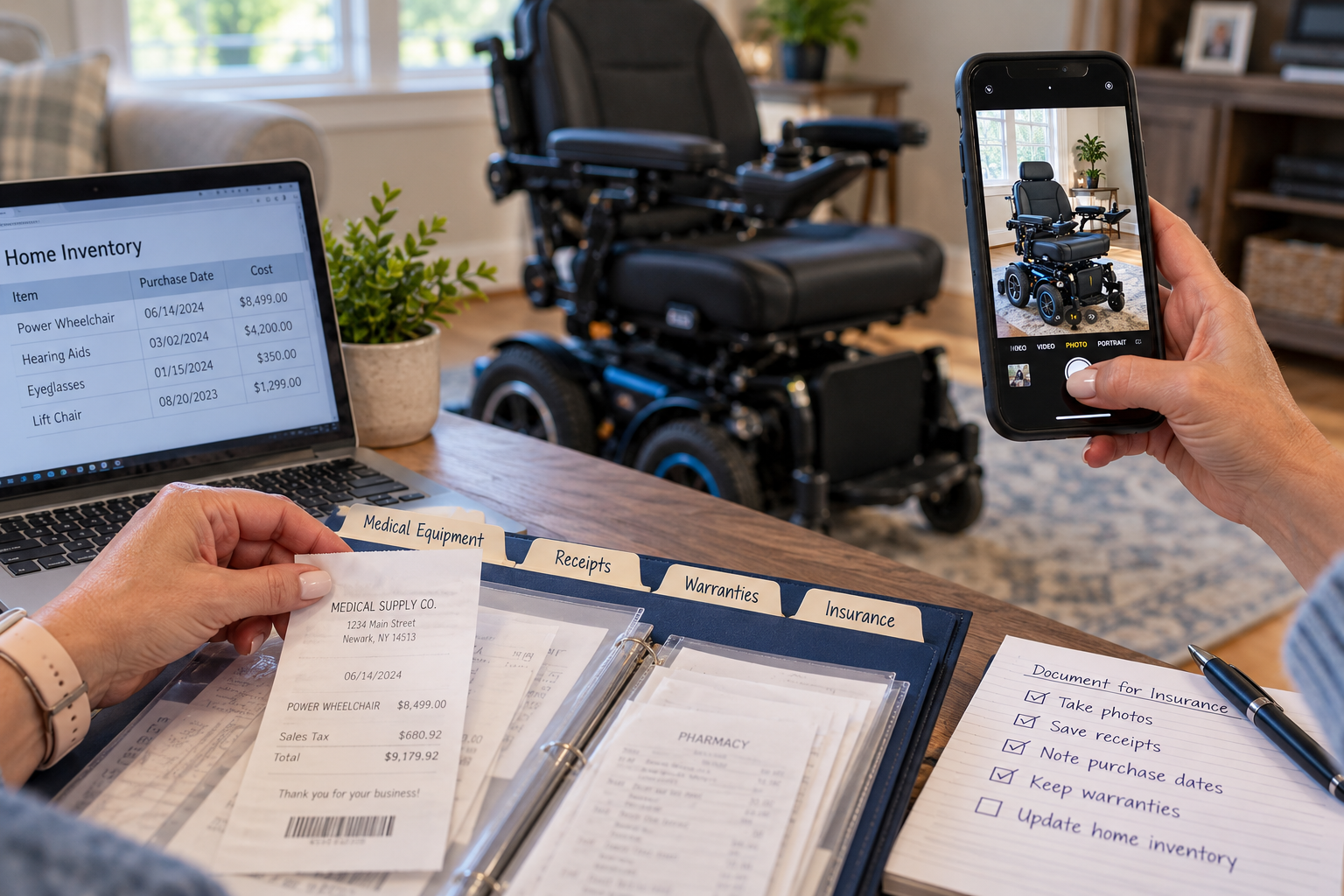
A folder in a filing cabinet and a copy in cloud storage is a great start.
Can You Buy Additional Protection?
Sometimes, yes. What's available depends on the insurance company, the state, the policy, and the type of equipment. Options worth asking about include:
Additional personal property protection
Scheduled property coverage, if the item is eligible
Specialized equipment insurance
Manufacturer loss-and-damage warranties
Equipment service agreements
Retailer replacement or accidental damage programs
Not every option is available for every item, and availability needs to be confirmed with your carrier. Often the right answer is a combination: your homeowners or renters policy for certain risks, a warranty or service plan for breakdowns, and a retailer or manufacturer program for everyday accidents.
Five Questions to Ask Your Insurance Agent
1. Does my homeowners or renters policy cover my hearing aids, eyeglasses, wheelchair, or other medical equipment? This establishes whether your equipment is treated as covered personal property to begin with.
2. What happens if the equipment is accidentally broken, lost, stolen, or damaged in an accident? The cause of loss often decides the outcome, so walk through each scenario.
3. Does my coverage change when I take the equipment away from home? Your equipment travels with you, and your coverage may work differently when it does.
4. Would a covered loss be settled at replacement cost or actual cash value? On expensive equipment, the difference can be thousands of dollars.
5. Is additional insurance or a specialized protection plan available for my equipment? If there's a gap, it's far better to learn about it now than after a loss.
Insurance Should Reflect How You Actually Live
We spend a lot of time talking about home values, vehicle coverage, and liability limits. Those conversations matter.
But sometimes the thing that matters most in someone's daily life isn't the house or the car. It's the hearing aids that let them join the conversation. It's the glasses they need to read, work, and drive. It's the wheelchair that lets them get where they're going without asking for help.
Insurance can't keep something bad from happening. What it can do, when you understand it ahead of time, is keep a bad day from turning into a financial crisis on top of everything else.
So the next time you review your insurance, bring your medical and accessibility equipment into the conversation. Make a list, gather what documentation you have, and ask the questions.
If you'd like to talk through your homeowners, renters, or auto coverage, my team and I at the Katie Pullen Agency in Newark, New York, are happy to sit down with you. Don't wait until you're filing a claim to find out how your policies work together.
Insurance information is provided for general educational purposes and is not a determination or guarantee of coverage. All claims are individually investigated based on the circumstances of the loss, applicable insurance contract, endorsements, and law. Coverage limits, exclusions, deductibles, and loss settlement provisions may apply.


