



Safeguard Your Boat, Your Adventures, and Your Peace of Mind with the Right Boat Insurance Policy
A boat isn’t just a toy—it’s an investment. We help protect your vessel, trailer, motor, equipment, and passengers from accidents, weather damage, and liability. We also explain what’s excluded, and how to make sure you’re covered whether your boat is docked, stored, or out on the water. At Katie Pullen Insurance Agency, we’ll help you find the right coverage so you can enjoy every trip knowing you, your passengers, and your investment are protected.
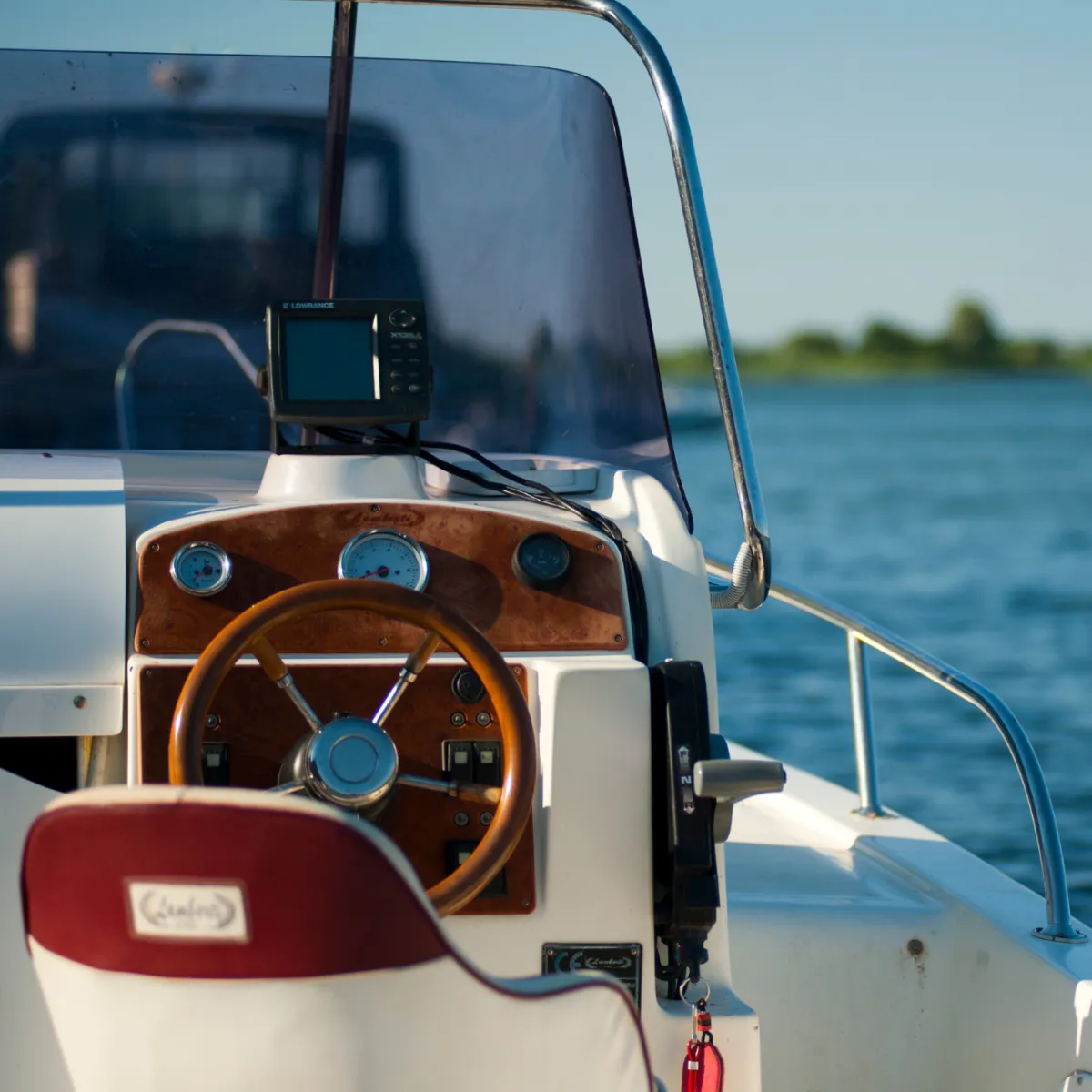
Boat insurance provides financial protection for a wide range of situations, from collision and property damage to medical payments and liability claims. It can also help cover emergency services or towing if you run into trouble on the water. With the right policy in place, you can relax and enjoy your boating lifestyle, knowing Katie Pullen and her team are here to keep your adventures safe.
Boat Insurance in Newark, NY: Before You Get Out on the Water
There’s nothing quite like spending a summer day on the water. Whether you use your boat for fishing, relaxing, tubing, or spending time with family and friends, it’s worth knowing what protection you have before something goes wrong. Boat insurance can help protect more than just the boat itself. Depending on the policy, coverage may also apply to certain equipment, liability situations, and other risks that come with owning and operating a boat.
What Could Go Wrong on the Water?
Boating accidents aren't always predictable. A boat could be damaged in a collision, equipment could be stolen, or someone could be injured while using your boat. Common situations boat owners may want to consider include:
1. Damage from a collision or accident
2. Theft or vandalism
3. Damage from storms or other covered events
4. Injuries to passengers or other people
5. Damage you may cause to another boat or property
6. Damage to certain boating equipment or accessories
The coverage available depends on the policy, so it's important to understand what is actually included rather than assuming your boat is automatically protected.
Your Boat Isn't the Only Thing to Think About
When reviewing boat insurance, look beyond the value of the boat itself. Consider the equipment you regularly keep on board, such as:
Fishing equipment
Rods, reels, and other gear can add significant value.
Safety equipment
Life jackets and other required or useful equipment may be part of your boating setup.
Accessories and personal items
Depending on the policy, certain permanently attached equipment or personal belongings may have coverage.
Knowing what your policy covers—and what it doesn't—can help prevent surprises after a loss.
What About Liability?
Liability is an important part of owning a boat. If you accidentally injure someone or damage another person's property while operating your boat, you could potentially be responsible for the resulting costs. Boat liability coverage may help with covered claims, subject to the policy's limits, terms, and exclusions. This is one reason it's important to look at more than just the physical value of your boat when deciding how much protection you need.
A Quick Check Before Boating Season
Before putting your boat in the water, take a few minutes to review your coverage.
Ask yourself:
1. Has the boat changed since you purchased the policy?
2. Have you added new equipment or accessories?
3. Are your current liability limits still appropriate?
4. Where is the boat normally stored?
5. Have your boating habits changed?
6. Do you understand your deductible and coverage limits?
A quick review can help make sure your insurance still reflects how you actually use your boat.
Boat Insurance for Newark & Wayne County Boat Owners
Boat owners throughout Newark and the surrounding Wayne County communities have different boats, different routines, and different coverage needs. A fishing boat used occasionally may have very different considerations from a boat used regularly with family and friends.
The goal isn't simply to have a boat insurance policy—it's to understand the protection you have and make sure it fits your situation.
Take a Closer Look at Your Boat Coverage
If you're getting ready for another season on the water, it's a good time to review your boat insurance and make sure you understand your coverage, limits, and deductibles. Learn more about boat insurance with Katie Pullen Agency and find coverage that fits the way you enjoy your time on the water.
Boat Insurance Frequently Asked Questions
1. What does boat insurance cover?
Boat insurance typically combines several types of protection: liability coverage for injuries or property damage you cause to others, physical damage coverage (often called hull coverage) for repairs or replacement of your boat, motor, and permanently attached equipment after a collision, fire, theft, or weather event, and medical payments coverage for you and your passengers regardless of fault. Many policies also include uninsured/underinsured boater coverage, which protects you if you're hit by another boater who doesn't have adequate insurance.
2. Is boat insurance required in New York?
No, New York does not legally require insurance for most recreational boats, though if you financed your boat, the lender will almost always require it, and many marinas and yacht clubs require proof of liability insurance before allowing you to dock or store your boat. Even without a legal requirement, going without coverage is a real financial risk, since a serious accident can generate legal and medical costs well into six figures.
3. How much does boat insurance cost?
Boat insurance typically costs somewhere between 200 and 1,000 dollars a year for a recreational boat, though a common rule of thumb is that annual premiums run around 1.5 percent of the boat's insured value. Cost depends on the boat's type, age, length, and horsepower, where and how often you use it, your boating experience and claims history, and the coverage limits and deductible you choose.
4. Does boat insurance cover storm or weather damage?
Yes, physical damage coverage on a standard boat policy typically covers damage from storms, lightning, and other weather events, in addition to collision, fire, vandalism, and theft. Coverage generally applies whether the boat is damaged on the water or while stored on land, though this is subject to your policy's deductible and any specific exclusions, so it's worth confirming exactly which weather-related risks your policy includes.
5. Does boat insurance cover my boat trailer?
Often yes, though it's not automatic on every policy. Many boat insurance policies extend physical damage coverage to include the trailer used to transport the boat, protecting it against collision, theft, and weather damage, but this should be confirmed directly, since some insurers treat trailer coverage as a separate optional add-on rather than something automatically bundled in.
6. How do I file a boat insurance claim after an accident or theft?
After an accident or theft, contact your insurer as soon as possible to start the claims process, and file a police report if theft or significant damage is involved, since most insurers require one. An adjuster will typically inspect the damage or review documentation of the loss, confirm what's covered under your policy's specific terms and deductible, and issue payment based on whether your policy uses agreed value, a pre-set payout amount, or actual cash value, which accounts for depreciation.
Request Your Free Quote Today!
Please complete the form below to receive your personalized quote.
Get Your Personalized Insurance Quote Today
Fill out the short form and our team will get back to you with a personalized quote that fits your needs and budget.
An Agency That Works For You!
Allstate Insurance is a licensed agency based in Newark, New York, providing coverage for individuals and businesses across the state. All insurance products and services are offered exclusively through licensed agents and are subject to underwriting approval, availability, and applicable New York state laws and regulations.