


Secure Your Condo with the Right Insurance Policy
Your condo association’s policy won’t cover everything. We help you understand what the master policy does and doesn’t cover, and tailor your policy to fill the gaps—whether it's protecting the inside of your unit, your belongings, or your personal liability. We understand that every condo owner’s needs are different, which is why we work with you to customize coverage that fits your lifestyle and budget.
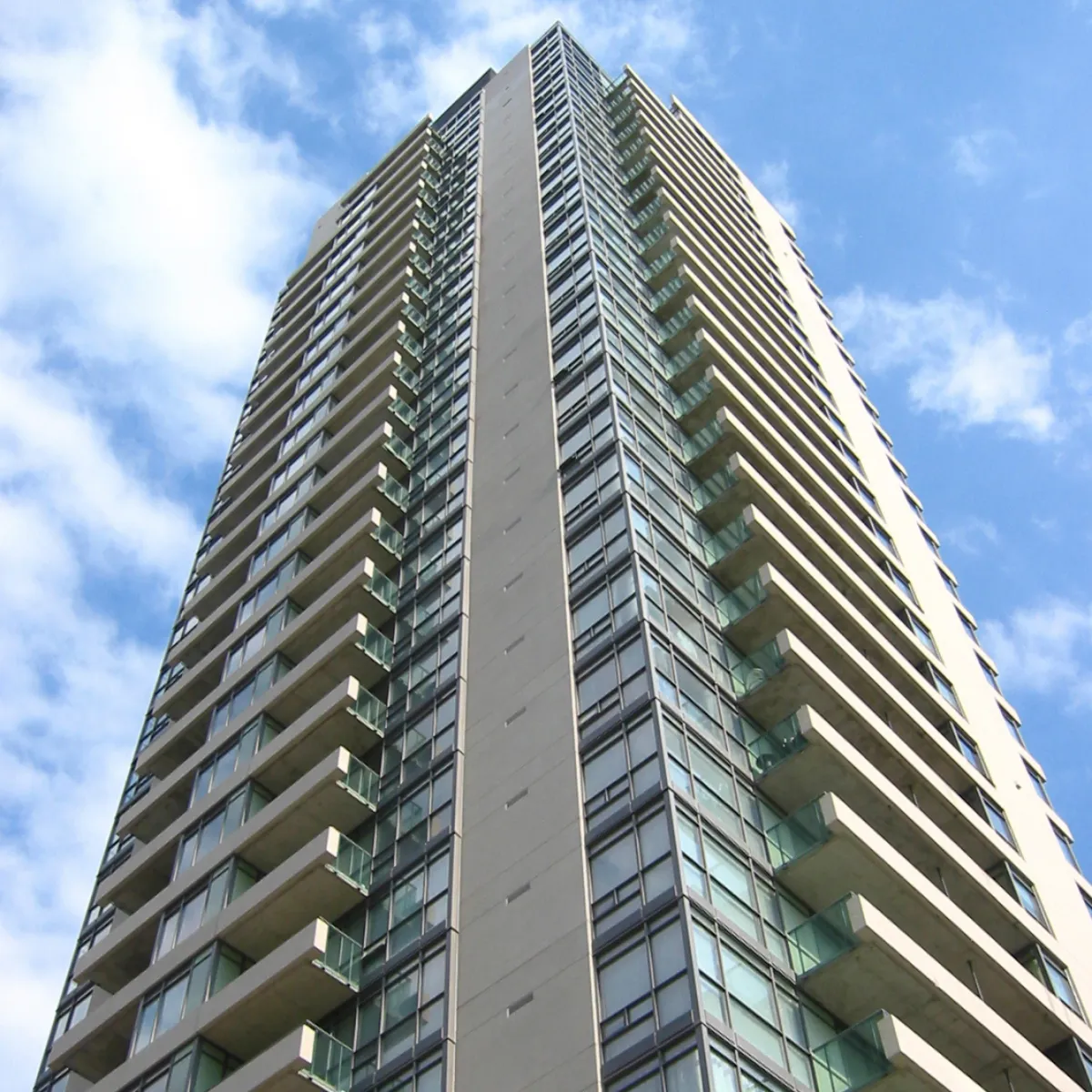
Condo insurance protects the inside of your unit and your personal belongings from damage or theft. It also provides liability coverage if someone gets injured in your home or you accidentally cause damage to others. This insurance fills the gap between your condo association’s master policy and your own responsibilities as a unit owner.
Condo Insurance in Newark, NY: What Does Condo Insurance Cover?
Buying a condo comes with a lot to think about—your mortgage, monthly association fees, maintenance, and everything that makes the unit feel like home. But one question often causes confusion:
What does condo insurance actually cover if the condo association already has insurance?
The answer depends on the association's master policy, your condominium's governing documents, and your individual condo insurance policy. Understanding how these pieces work together can help you avoid unexpected coverage gaps.
Do I Need Condo Insurance If My HOA Has Insurance?
In most condominium communities, the association carries a master insurance policy that may cover certain parts of the building and common areas. However, that doesn't mean everything you own or everything you're responsible for is automatically covered. Your individual condo insurance may provide protection for areas such as:
1. Your personal belongings
2. Certain parts of your unit
3. Improvements or upgrades you have made
4. Personal liability
5. Certain additional living expenses following a covered loss
Exactly what is covered depends on your policy and your association's rules and documents. So if you're asking, “Does my HOA insurance cover my personal belongings?” the answer is generally no. Your own insurance is typically what you look to for protection of your personal property.
What Does Condo Insurance Cover?
Condo insurance can provide several types of protection, depending on the policy you purchase.
Personal Property
Think about everything inside your condo. Furniture, clothing, electronics, appliances, kitchen items, and other belongings can represent a significant investment. Personal property coverage may help with certain covered losses, subject to your policy's terms and limits.
Personal Liability
What if a guest is injured in your condo? Or you accidentally damage someone else's property? Personal liability coverage may help with certain covered claims for which you are legally responsible.
Additional Living Expenses
If a covered loss makes your condo temporarily unlivable, you may have expenses beyond the physical damage. Depending on your policy, additional living expense coverage may help with certain necessary costs while your home is being repaired or is otherwise uninhabitable.
Unit Property and Improvements
This is one of the areas condo owners should understand carefully. Depending on the association's master policy and governing documents, you may be responsible for certain portions of your individual unit or improvements you've made. The exact responsibility can vary from one condominium community to another.
Does Condo Insurance Cover Water Damage?
Water damage is one of the situations condo owners often wonder about. A leak from a plumbing system, an appliance, another unit, or a common area can create a complicated situation because multiple units and insurance policies may be involved. Whether the damage is covered—and which policy responds—depends on the source of the loss, the policy language, deductibles, exclusions, and the responsibilities outlined by the condominium association. This is why understanding your policy before a water loss happens can be much easier than trying to figure everything out afterward.
What Is the Difference Between Condo Insurance and Homeowners Insurance?
Both can protect your home and belongings, but they are designed for different living arrangements. With a traditional homeowners policy, the homeowner generally owns the house and the land associated with it. With a condominium, you own your individual unit while sharing ownership or responsibility for certain common areas through the condominium association. That difference affects how insurance responsibilities are divided. If you've moved from a single-family home into a condo, don't assume your previous homeowners coverage works the same way.
How Much Condo Insurance Do I Need?
There isn't one amount that works for every condo owner. Your needs can depend on factors such as:
1. The value of your personal belongings
2. Improvements you've made to your unit
3. Your potential liability exposure
4. The coverage provided by your condominium association
5. Your selected deductibles and limits
6. Your individual circumstances
Creating a home inventory can be a useful starting point. Walking through your condo and documenting your belongings can help you get a better idea of how much personal property you actually have.
What Should Condo Owners Check Before Buying Insurance?
Before choosing a policy, take a closer look at your condominium's insurance arrangements and governing documents. Pay particular attention to:
The association's master policy
Understand what the association is responsible for insuring.
Your condominium documents
Your declaration, bylaws, or other governing documents may explain responsibilities between the association and individual owners.
Your personal property
Consider how much it would cost to replace the belongings inside your condo.
Your liability protection
Think about the potential financial impact of an accident or liability claim.
Your deductibles and limits
Know how much you're responsible for paying and where your coverage limits apply.
When Should You Review Your Condo Insurance?
Your coverage may need another look when something changes. For example, you may want to review your policy after:
▪ Buying a new condo
▪ Remodeling or upgrading your unit
▪ Purchasing expensive electronics, furniture, or other belongings
▪ Getting married or changing your household
▪ Learning that your association changed its insurance
▪ Experiencing a significant change in your finances or assets
▪ Going several years without reviewing your coverage
Insurance isn't something you have to set and forget. A periodic review can help you better understand whether your current coverage still fits your situation.
Condo Insurance in Newark & Wayne County
Condo owners in Newark and surrounding Wayne County communities have different properties, belongings, and insurance needs. At Katie Pullen Agency, we help individuals and families in Newark and surrounding Wayne County communities understand their insurance options, including condo insurance. If you're buying a condo, already own one, or simply want to better understand what your current policy covers, we're here to help.
Katie Pullen Agency
Newark, NY
Condo Insurance Frequently Asked Questions
1. What is condo insurance and what does it cover?
Condo insurance, officially called an HO-6 policy, protects a condo unit's interior structure, personal belongings, personal liability, and additional living expenses if a covered event makes the unit temporarily unlivable. It works alongside your condo association's master policy, which typically covers the building's exterior and shared spaces, but not the inside of an individual unit or a resident's personal property. Most HO-6 policies also include loss assessment coverage, which helps pay a unit owner's share if the association bills residents for damage the master policy doesn't fully cover. Condo owners in Newark, NY should confirm exactly what their specific association's master policy includes before setting HO-6 coverage limits.
2. What's the difference between the condo association's master policy and my own condo insurance?
The master policy, purchased by your condo association, generally covers the building's exterior, structural elements, and shared spaces like hallways, elevators, and the roof, while your own HO-6 condo insurance covers the interior of your specific unit, your personal belongings, and your personal liability. Master policies come in different forms, sometimes called bare walls or all-in policies, which determine how much of your unit's interior is already covered before you set your own coverage limits. Because master policies vary significantly between condo associations, it's important to review your specific association's policy before deciding how much HO-6 coverage you need.
3. What is loss assessment coverage and do I need it?
Loss assessment coverage helps pay a condo owner's share of a special assessment charged by the association when damage to a shared area, like a roof or lobby, exceeds the master policy's limits or falls within its deductible. Most standard HO-6 policies include only a small amount of this coverage, often around $1,000, which can fall far short if a major storm or fire causes a large, building-wide assessment. Increasing this coverage limit is typically inexpensive and is one of the more commonly overlooked upgrades condo owners in Newark, NY and throughout Wayne County should ask their agent about.
4. Does condo insurance cover water damage from a leak in the unit above mine?
Often yes, though which policy responds can depend on where the water originated and what caused it. If the leak comes from a covered, sudden event, like a burst pipe in the unit above, your own HO-6 policy typically covers damage to your belongings and interior finishes, while the other owner's policy may cover their own unit and liability for causing the leak. Gradual leaks caused by long-term neglect are generally excluded from coverage entirely. Because multiple policies can come into play with condo water damage claims, documenting the cause and timeline clearly helps avoid disputes between insurers.
5. Does condo insurance cover flood damage?
No, flood damage is excluded from a standard HO-6 condo insurance policy, regardless of insurer. Flood coverage must be purchased separately, most commonly through the National Flood Insurance Program or a private flood insurer, and this applies to both your unit's interior and your personal belongings. This is worth serious consideration for condo owners in Wayne County near lakes, rivers, or low-lying areas, since standard flood maps don't always reflect every local flooding risk from heavy rain or overflowing waterways.
6. Where can I get condo insurance in Newark, NY?
The Katie Pullen Agency, located at 119 East Union Street in Newark, NY, works with condo owners throughout Wayne County and the Finger Lakes region to review their condo association's master policy and set appropriate HO-6 coverage limits. As a local independent Allstate agency serving the area since 1999, the team can help identify coverage gaps, such as low loss assessment limits or missing flood protection, and make sure a condo owner's personal policy properly complements what the association's master policy already covers.
Request Your Free Quote Today!
Please complete the form below to receive your personalized quote.
Get Your Personalized Insurance Quote Today
Fill out the short form and our team will get back to you with a personalized quote that fits your needs and budget.
An Agency That Works For You!
Allstate Insurance is a licensed agency based in Newark, New York, providing coverage for individuals and businesses across the state. All insurance products and services are offered exclusively through licensed agents and are subject to underwriting approval, availability, and applicable New York state laws and regulations.