


Protect Your Snowmobile, Your Ride, and Your Adventures with the Right Insurance Coverage
We make sure your recreational vehicles are protected year-round, whether you're cruising the open road or hitting the trails. From collision and theft to medical payments and liability, we build a policy that fits how and where you ride—and offer seasonal advice that helps you avoid paying for coverage you don’t need. At Katie Pullen Insurance Agency, we’ll match you with coverage that keeps your sled and your lifestyle protected, so you can focus on enjoying the trails.
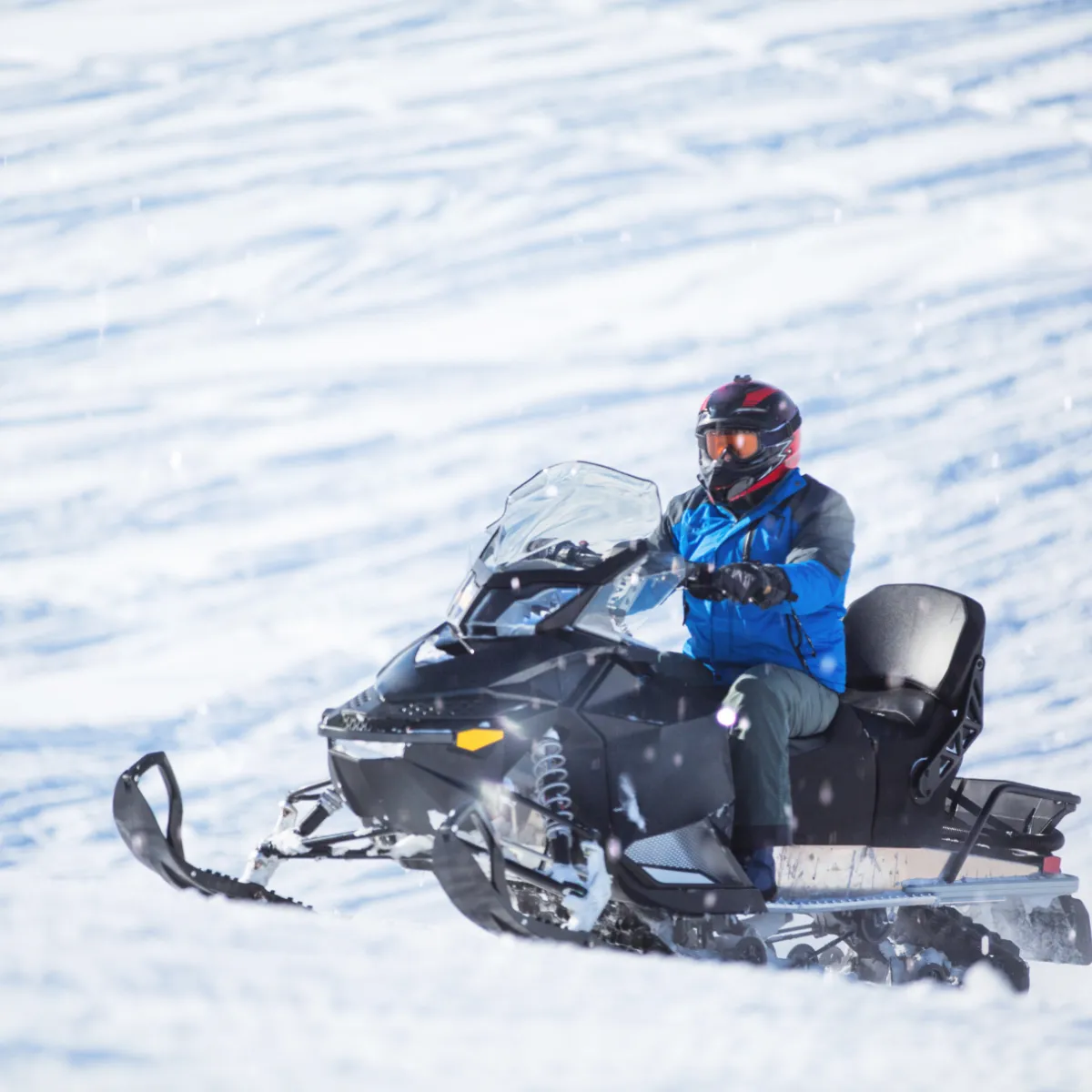
Snowmobile insurance provides financial protection for riders year-round. From covering the cost of damage or loss to liability claims and emergency expenses, it ensures you’re not left out in the cold if the unexpected happens. With a tailored policy from Katie Pullen Insurance Agency, you can hit the snow with confidence knowing both you and your ride are secure.
Snowmobile Insurance in Newark, NY: What If Something Goes Wrong?
For many people in Newark and Wayne County, snowmobiling is part of enjoying the winter. But when you're riding on trails, private property, or other permitted areas, an accident can happen quickly. A damaged snowmobile, theft, or an accident involving another rider can turn an enjoyable day into an expensive problem. Snowmobile insurance can provide protection for certain risks, depending on your policy and coverage.
Imagine These Situations
Your snowmobile hits an unexpected obstacle. Even experienced riders can encounter trees, rocks, fences, or other obstacles. If your snowmobile is damaged, the cost of repairs can add up quickly. Your snowmobile is stolen. Snowmobiles can be a significant investment. If yours is stolen, having the appropriate coverage may help with a covered loss. You accidentally damage someone else's property. A collision or accident could result in damage to another person's property. Liability coverage may help with certain covered claims for which you're legally responsible. Someone is injured in an accident. An accident involving another rider, passenger, or property owner can create financial and legal concerns. The liability protection available through your policy can be an important part of your overall coverage. These are just examples. Your actual protection depends on the specific policy, limits, deductibles, exclusions, and circumstances involved.
Don't Assume Your Other Insurance Covers Your Snowmobile
One common mistake is assuming that a snowmobile is automatically covered by an auto or homeowners policy. Insurance policies are designed for specific types of risks and property. Coverage for a snowmobile may require its own policy or specific coverage. That's why it's better to ask about coverage before the season starts rather than finding out after an accident.
What Can Affect Your Snowmobile Insurance?
The cost and coverage available can depend on several factors, including:
1. The type and value of your snowmobile
2. How and where you use it
3. Your riding experience
4. Your driving or riding history
5. Coverage limits and deductibles
6. Storage arrangements
7. Additional equipment or accessories
Your insurance needs can also change over time, especially after purchasing a different snowmobile or making significant upgrades.
A Good Time to Review Your Policy
You don't have to wait for an accident to think about your snowmobile insurance. Before each riding season, consider whether anything has changed since your last policy review.
New snowmobile?
Make sure your insurance reflects the machine you're actually riding.
New accessories or upgrades?
Ask whether they have coverage and whether additional protection is needed.
Different riding habits?
Changes in where or how you ride may be worth discussing.
Policy hasn't been reviewed in a while?
Take a few minutes to understand your current limits, deductibles, and exclusions.
Snowmobile Insurance in Newark & Wayne County
Winter riding comes with its own risks, and every rider's situation is different. Whether you ride around Newark or in another Wayne County community, understanding your snowmobile insurance can help you make more informed decisions before heading out. The goal is simple: know what protection you have before you need it.
Before You Start the Engine
Take a few minutes to review your snowmobile coverage before the next riding season. A conversation about your current policy can help you understand where you may have protection and where coverage may need to be reviewed. Learn more about snowmobile insurance with Katie Pullen Agency.
Snowmobile Insurance Frequently Asked Questions
1. Is snowmobile insurance required in New York?
Yes, New York law requires liability insurance for any snowmobile operated off the owner's private property, including on trails, roadway shoulders, and in state parks, and it's also required to register the snowmobile with the DMV. The state's minimum liability limits are 10,000 dollars for injury to one person, 20,000 dollars if two or more people are injured in the same accident, and 5,000 dollars for property damage, though most insurance professionals consider these minimums quite low relative to real accident costs.
2. What does snowmobile insurance cover?
A snowmobile policy typically includes liability coverage for injuries or property damage you cause to others, which is the legally required portion, along with optional collision coverage for damage to your own sled in an accident, comprehensive coverage for theft, fire, vandalism, or weather-related damage, medical payments coverage for you and your passengers regardless of fault, and uninsured motorist coverage if you're hit by another rider without adequate insurance.
3. How much does snowmobile insurance cost?
A liability-only policy meeting New York's minimum requirements typically costs around 120 to 240 dollars a year, while a more complete policy adding collision and comprehensive coverage generally runs between 300 and 400 dollars a year or more, depending on the sled's value and the coverage limits you choose. Cost also varies based on your riding history, where you store the snowmobile, and whether you bundle the policy with existing auto or home insurance.
4. Does snowmobile insurance cover theft or damage while it's in storage?
Yes, comprehensive coverage, which is optional but commonly added, protects your snowmobile against theft, fire, and certain weather-related damage even while it's stored during the off-season, not just while it's actively being ridden. Liability coverage, by contrast, only applies while the snowmobile is being operated, since it protects against injuries or damage you cause to others.
5. Does my homeowners insurance cover my snowmobile?
Generally, no, or only in a very limited way. Most homeowners policies provide minimal coverage for a snowmobile, often only for physical damage while it's on your own property, and typically exclude liability coverage entirely, which means a separate snowmobile policy is necessary for the legally required liability protection and for coverage while riding on trails or public land.
6. What happens if I'm in an accident with an uninsured snowmobile rider?
If the at-fault rider doesn't have adequate insurance, your own uninsured motorist coverage, if you've added it to your policy, can help pay for your injuries and related costs, since New York's low mandatory minimums mean plenty of riders carry only the bare legal minimum or, in some cases, ride without proper coverage at all. Without this protection, you may be left pursuing the at-fault rider directly for any costs beyond what their policy covers.
Request Your Free Quote Today!
Please complete the form below to receive your personalized quote.
Get Your Personalized Insurance Quote Today
Fill out the short form and our team will get back to you with a personalized quote that fits your needs and budget.
An Agency That Works For You!
Allstate Insurance is a licensed agency based in Newark, New York, providing coverage for individuals and businesses across the state. All insurance products and services are offered exclusively through licensed agents and are subject to underwriting approval, availability, and applicable New York state laws and regulations.